
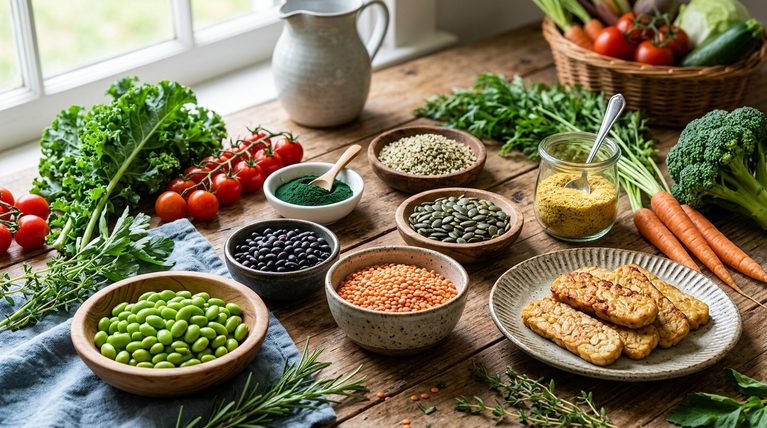
The idea that meat is the only serious source of protein is one of nutrition’s most persistent myths.
Several plant foods not only match beef for protein content but actually surpass it, gram for gram.
And unlike animal protein, plant protein comes packaged with fiber, antioxidants, vitamins, and minerals that support long-term health.
In this guide, we present eight plant foods that deliver more protein than beef by calorie, explain the science behind plant protein and how to maximize its absorption, and show you how to grow several of these powerhouse plants at home.
Understanding Plant Protein vs. Animal Protein
Before comparing specific foods, it helps to understand the two key concepts around plant protein: protein density and amino acid completeness.
Protein density refers to how much protein a food contains per calorie or per gram of weight.
Amino acid completeness refers to whether a protein source contains all nine essential amino acids that the human body cannot produce on its own.
Animal proteins are generally considered complete proteins because they contain all nine essential amino acids in adequate amounts.
Most plant proteins are incomplete, meaning they are lower in one or more essential amino acids.
However, research has shown that eating a varied plant-based diet throughout the day provides all essential amino acids without requiring careful, meal-by-meal combining.
The old recommendation to combine proteins at every meal has been debunked by nutritional science.
What matters is overall amino acid intake across the day, not within each individual meal.
8 Plant Foods That Out-Protein Beef
1. Hemp Seeds (31g protein per 100g)
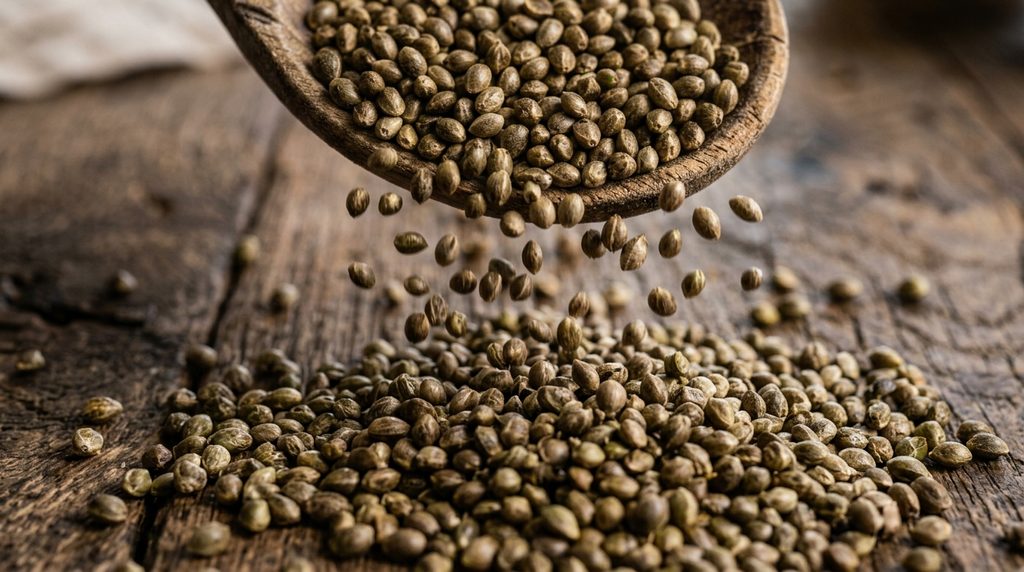
Hemp seeds contain approximately 31 grams of protein per 100 grams, compared to around 26 grams in lean ground beef.
They are also a rare complete plant protein, containing all nine essential amino acids.
They are also rich in omega-3 and omega-6 fatty acids in the ideal ratio for human health.
Add to smoothies, yogurt, salads, and porridge.
2. Pumpkin Seeds (30g protein per 100g)
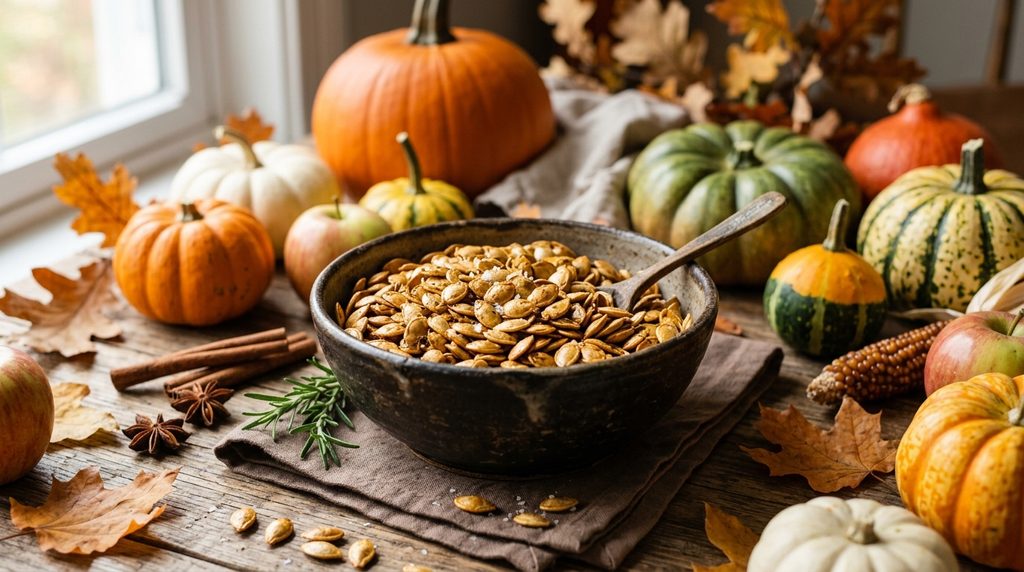
Dried pumpkin seeds deliver around 30 grams of protein per 100 grams along with impressive amounts of zinc, magnesium, and iron.
Roast them with a little salt and smoked paprika for a protein-packed snack, or add to granola, salads, and stir-fries.
3. Spirulina (57g protein per 100g)
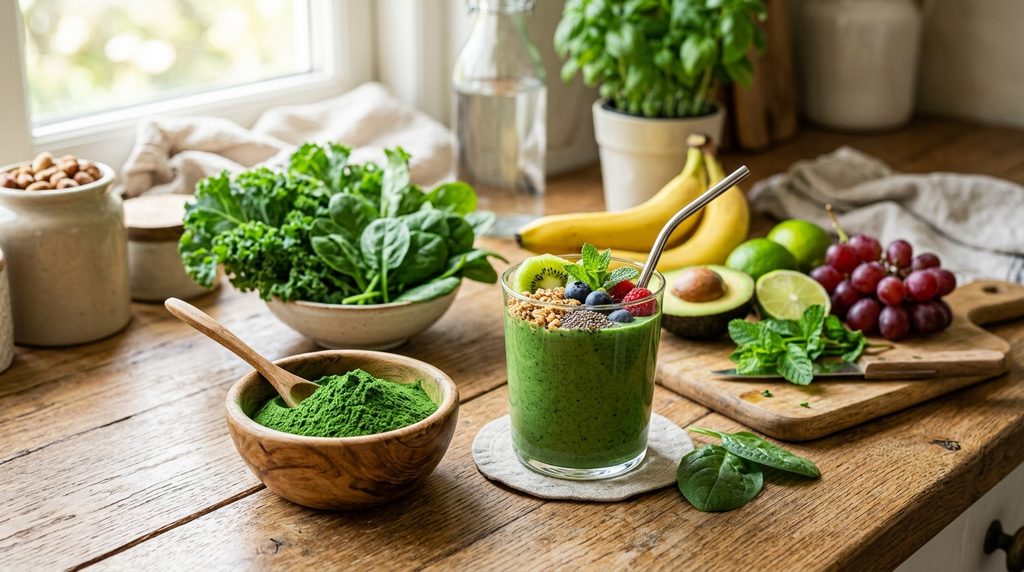
This blue-green algae is the most protein-dense food on earth, plant or animal, at approximately 57 grams of protein per 100 grams.
It is also a complete protein and rich in iron, vitamin B12, and antioxidants.
Add a teaspoon to smoothies or water daily.
The flavor is strong but blends well with fruit.
4. Lentils (9g per 100g cooked, 25g per 100g dried)
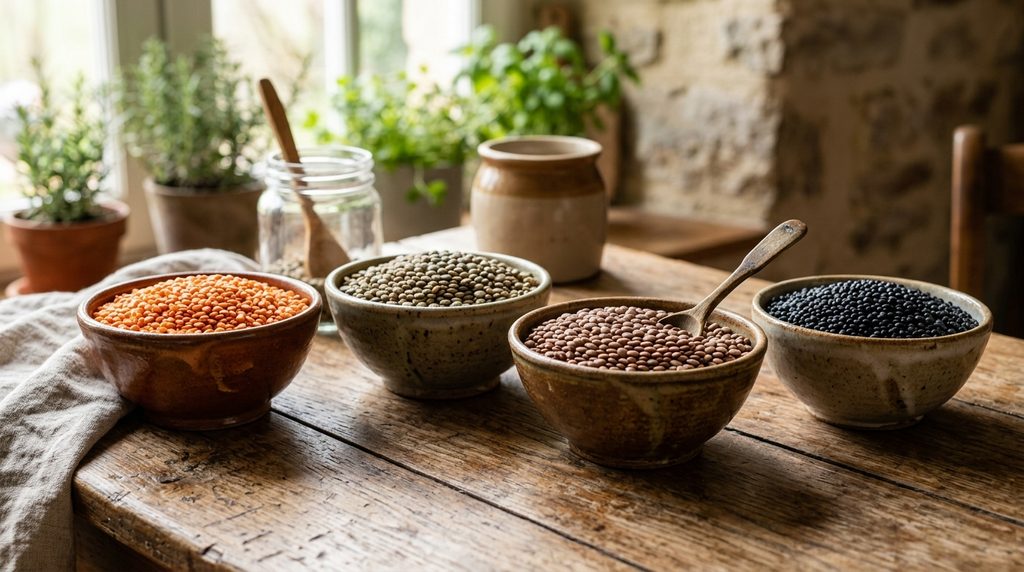
Lentils are one of the most important plant protein sources globally.
100 grams of dried lentils deliver around 25 grams of protein.
They are also high in iron, folate, and fiber.
Red, green, and black lentils all provide similar protein levels.
Grow them in the garden as a summer annual in warm, sunny conditions.
5. Edamame (11g protein per 100g cooked)
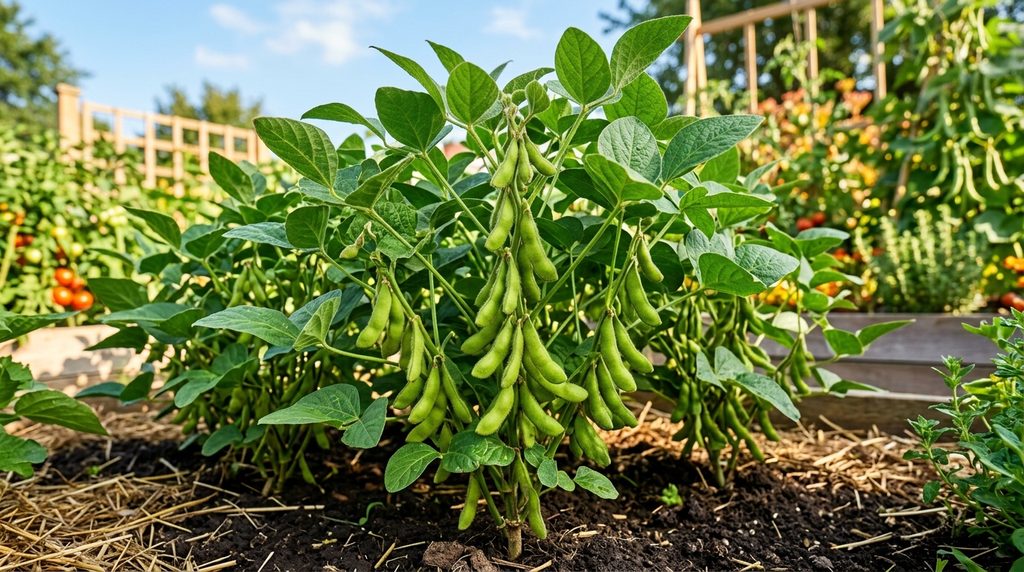
Young soybeans in their pods deliver around 11 grams of protein per 100 grams when cooked, along with all essential amino acids.
They are also a good source of fiber and folate.
Grow edamame in your garden in full sun, planting seeds after the last frost.
6. Tempeh (19g protein per 100g)
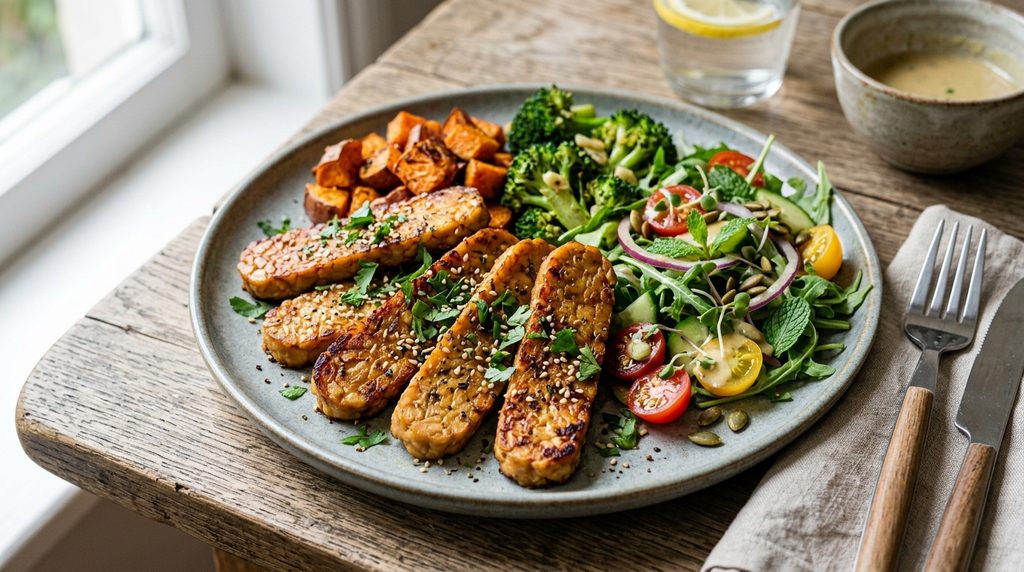
A fermented soybean product that is denser and nuttier than tofu, tempeh provides approximately 19 grams of protein per 100 grams.
Fermentation also makes the protein more bioavailable and adds beneficial probiotics.
Slice and pan-fry in soy sauce and garlic for a protein-rich main course.
7. Black Beans (8.9g per 100g cooked)
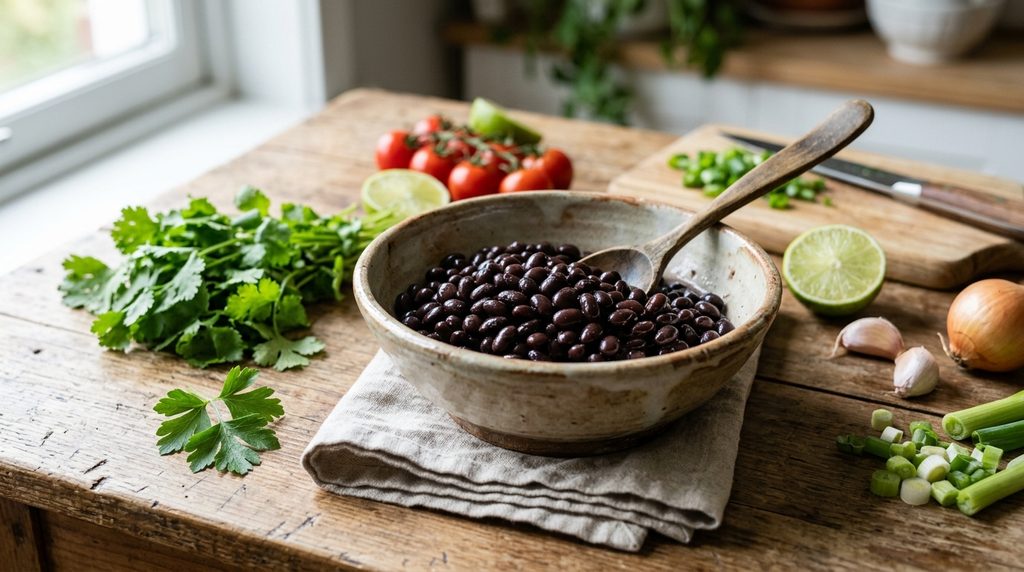
A versatile, affordable, and delicious protein source.
Black beans provide nearly 9 grams of protein per 100 grams cooked, along with high levels of fiber, iron, and antioxidant anthocyanins.
Grow black bean plants in your garden as a warm-season annual.
8. Nutritional Yeast (50g protein per 100g)
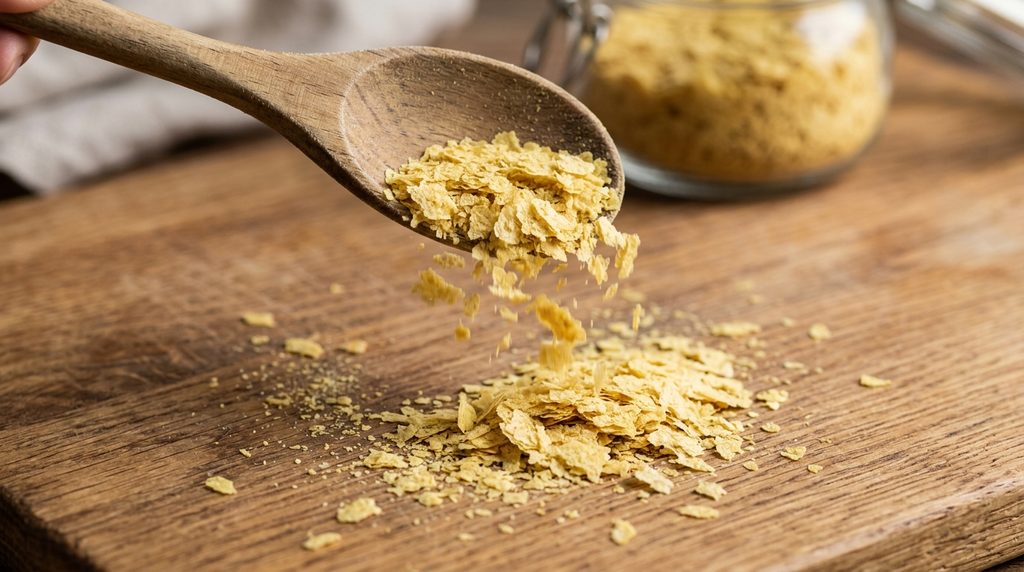
A deactivated yeast that is a complete protein source, providing around 50 grams of protein per 100 grams.
It has a nutty, cheesy flavor that makes it excellent as a cheese substitute in sauces and on pasta.
It is also an excellent source of B vitamins, particularly B12 in fortified versions.
How to Maximize Plant Protein Absorption
Plant proteins often have lower bioavailability than animal proteins, meaning the body absorbs a smaller percentage of what is consumed.
These techniques significantly improve the proportion of plant protein your body can use.
Soaking and Sprouting Legumes
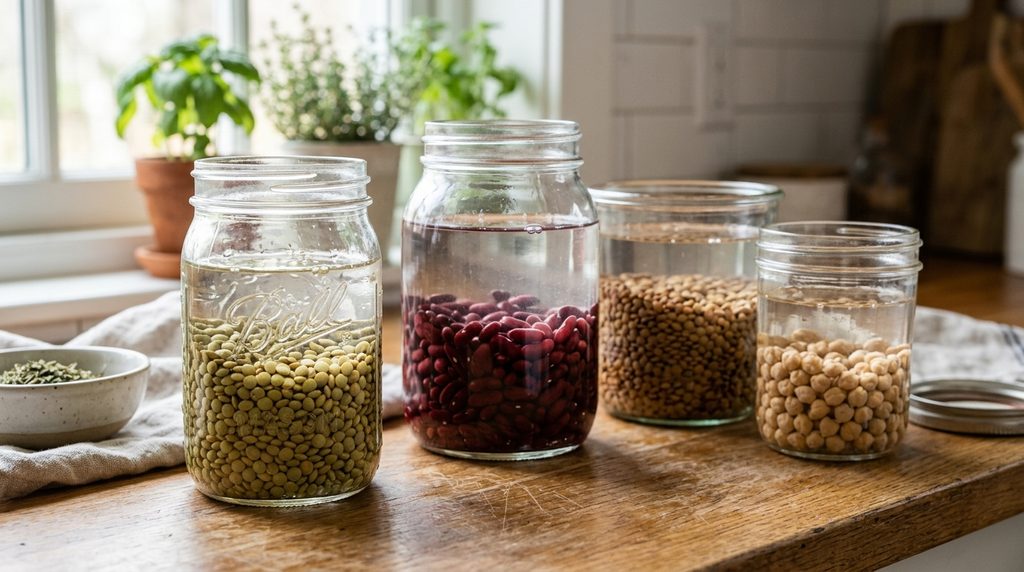
Soaking dried legumes for 8 to 12 hours and rinsing before cooking reduces antinutrients like phytic acid and lectins that bind to protein and minerals and inhibit absorption.
Sprouting for 1 to 3 days further improves bioavailability and adds vitamin C.
Combining with Vitamin C
Vitamin C significantly improves the absorption of plant-based iron and can aid overall nutrient absorption from plant protein sources.
Add lemon juice to lentil dishes, eat tomatoes with beans, or have a glass of orange juice alongside plant protein foods.
Fermentation
Fermented plant protein foods like tempeh and miso have undergone enzymatic breakdown that makes protein and minerals significantly more bioavailable.
Incorporating fermented soy products specifically boosts the usable protein your body extracts.
Eat a Diverse Variety
The more varied your plant protein sources, the more likely you are to consume a complete amino acid profile across the day.
Combine legumes, seeds, grains, and vegetables rather than relying on a single source.
How to Grow High-Protein Plants at Home
Growing Lentils
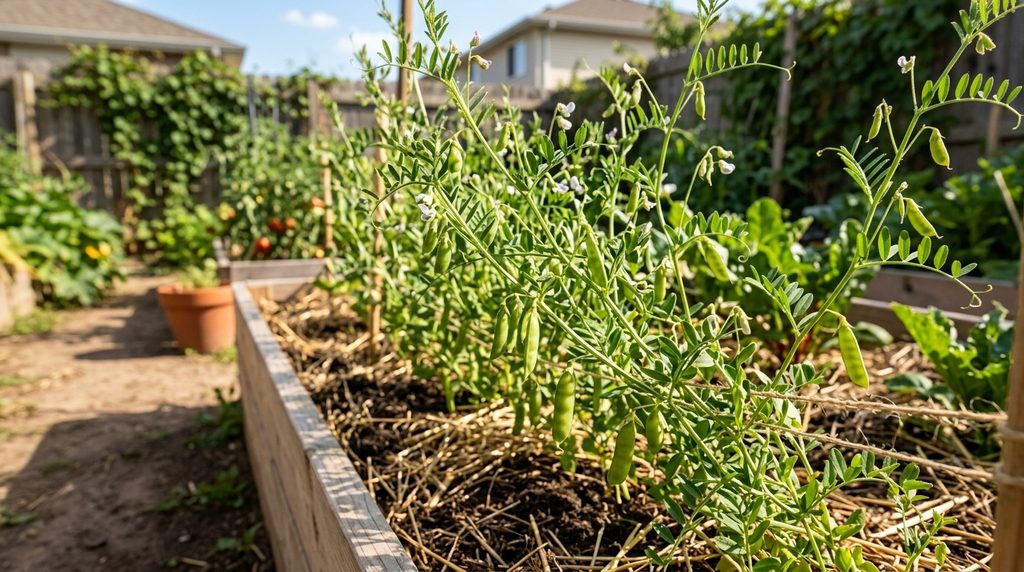
Lentils grow as a cool-season annual crop.
Sow seeds directly in the garden in early spring in well-drained, slightly alkaline soil in full sun.
Plants grow to about 18 inches tall with slender, vine-like stems.
Harvest pods when they turn yellow and dry.
Shell and store the dried lentils in an airtight container.
Growing Edamame
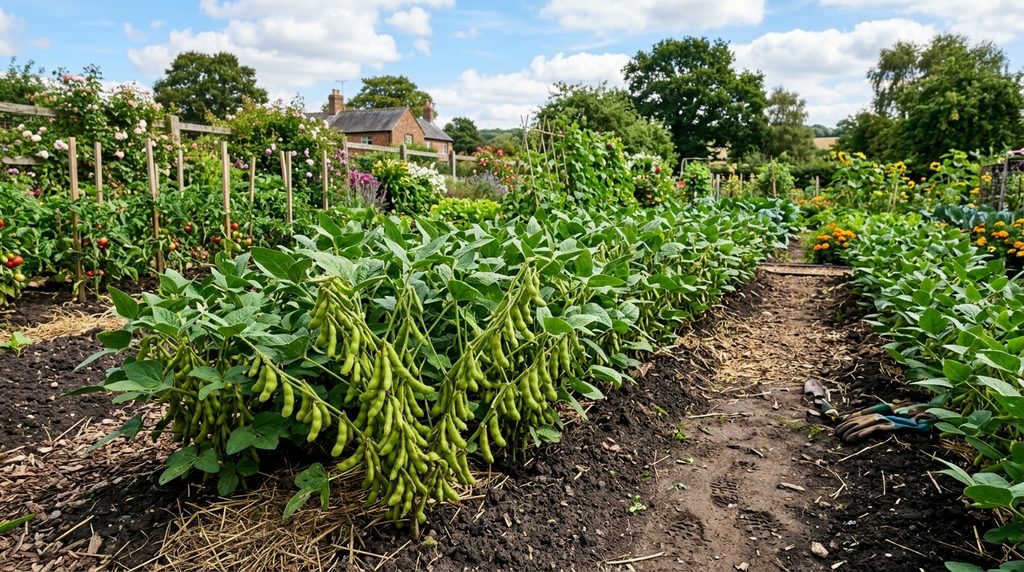
Edamame is easy to grow in warm summer conditions.
Sow seeds 2 inches deep, 6 inches apart in full sun after the last frost.
Plants are ready to harvest in 70 to 90 days.
Harvest when pods are plump and bright green.
Shell and blanch for eating, or cook pods whole in salted water.
Growing Black Beans
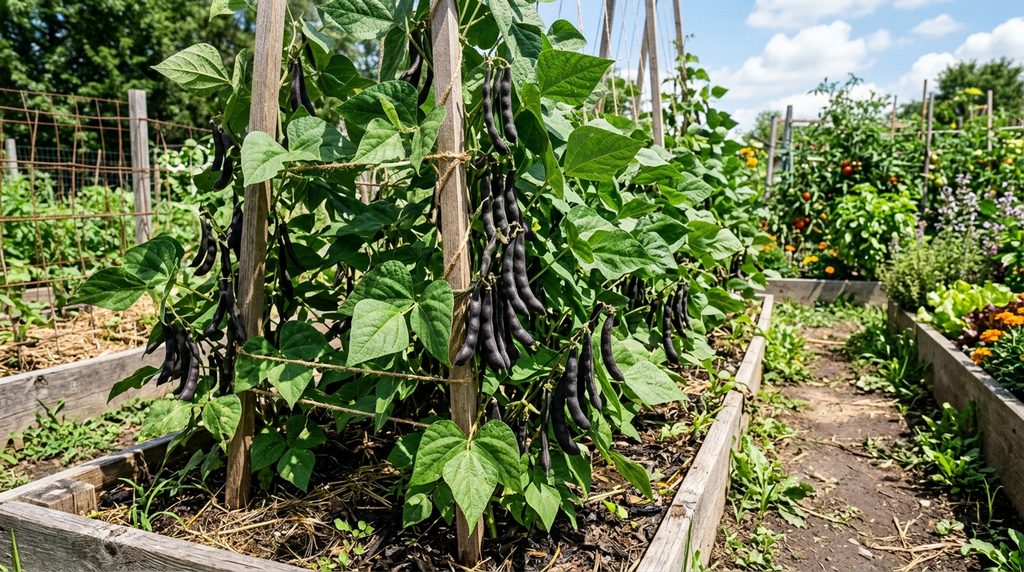
Black beans are a warm-season crop that thrives in hot, sunny conditions.
Sow seeds after the last frost in well-drained soil.
Bush varieties are most compact and suitable for small gardens.
Harvest when pods turn fully dry and papery on the plant for dried beans, or earlier for fresh shell beans.
Growing Pumpkins for Seeds
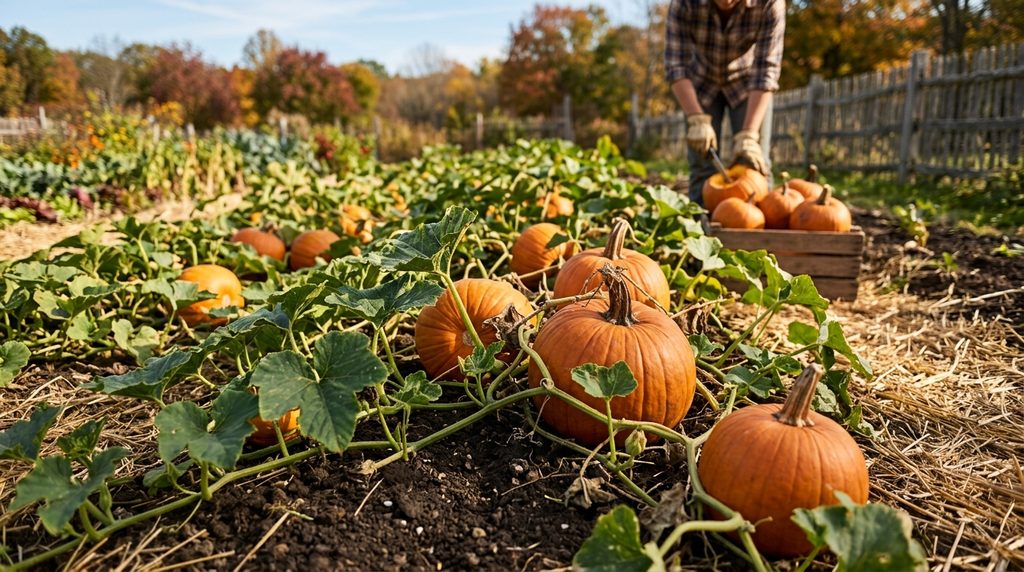
Pumpkins are large, vigorous plants that need significant space.
Grow in full sun in well-amended soil.
Save seeds from the fruit at harvest, wash them, roast at 325 degrees Fahrenheit for 25 minutes with a little olive oil, and enjoy your home-grown protein boost.
Frequently Asked Questions
These are optimized for Google’s People Also Ask feature and featured snippet positions.
|
Q: What plant has the most protein? A: Spirulina is the most protein-dense plant-based food at around 57 grams per 100 grams. Among whole food plant proteins, hemp seeds (31g) and pumpkin seeds (30g) are the highest. |
|
Q: Can you get enough protein from plants alone? A: Yes. Research consistently shows that well-planned plant-based diets provide adequate protein for all life stages, including athletes and pregnant women. The key is consuming sufficient overall calories and eating a varied range of plant protein sources throughout the day. |
|
Q: Is plant protein as effective as animal protein for building muscle? A: Studies comparing plant and animal protein for muscle building have found minimal difference when total protein intake is adequate. Plant protein sources like pea protein and soy protein have been shown to support muscle growth comparably to whey protein when consumed in sufficient amounts. |
|
Q: Which vegetable has the highest protein content? A: Edamame (young soybeans) leads at around 11 grams per 100 grams cooked. Green peas, broad beans, and sweet corn are also among the highest-protein vegetables. Spinach and broccoli have modest but notable protein levels relative to their calorie content. |
Conclusion
The protein superiority of meat is more marketing than science.
Hemp seeds, spirulina, pumpkin seeds, tempeh, and lentils all deliver impressive protein per calorie alongside a nutritional profile that animal proteins simply cannot match.
And growing some of these plants yourself, particularly lentils, edamame, and beans, connects the nutritional benefits to the deep satisfaction of producing your own food.
Whether you are reducing meat consumption for health, environmental, or ethical reasons, the plant kingdom has more than enough protein to support you.
It always did. We just forgot to look.
