
Every plant is described as “low-maintenance” by someone trying to sell it. Very few plants actually are.
True low-maintenance means: minimal watering after establishment, no mandatory deadheading, no disease spraying, no staking, and no annual division or replanting.
The plants below meet that standard when correctly sited. The key phrase is “correctly sited” , the same plant that thrives without attention in the right conditions struggles continuously in the wrong ones.
The Honest Definition of Low Maintenance
Every plant on this list requires:
- Consistent watering through the first 1 to 2 growing seasons while establishing
- Correct zone hardiness (a zone 6 plant in zone 4 is not low-maintenance — it is perpetually struggling)
- The right light and soil conditions for the species
After establishment in the correct conditions, these plants genuinely manage themselves.
Ground Covers and Low Spreaders
1. Sedum ‘Autumn Joy’ (Hylotelephium ‘Herbstfreude’)
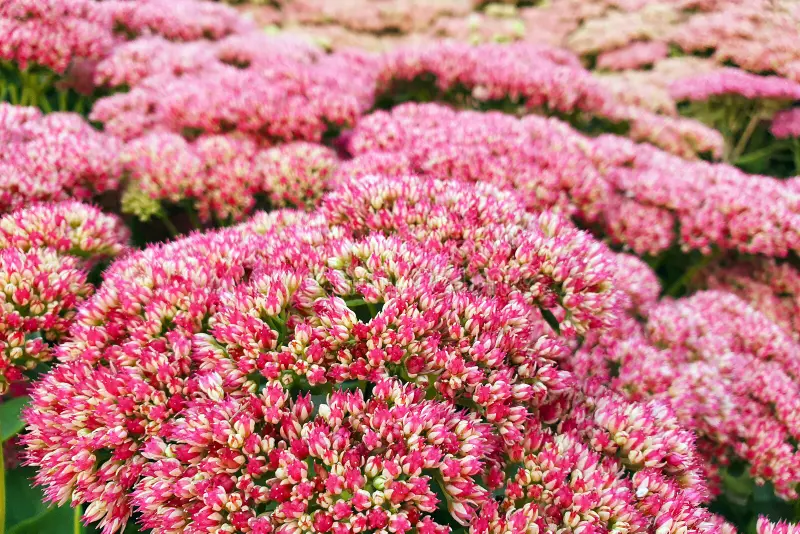
The most reliable low-maintenance perennial for sunny spots. Fleshy, succulent stems emerge in spring, build through summer, produce pink flowers in August that age to russet-red and remain attractive through winter. Drought tolerant, deer resistant, never needs division, and can be ignored for years.
- Zone: 3 to 9 | Sun: Full sun | Annual care: Cut to ground in late winter; nothing else required
2. Epimedium
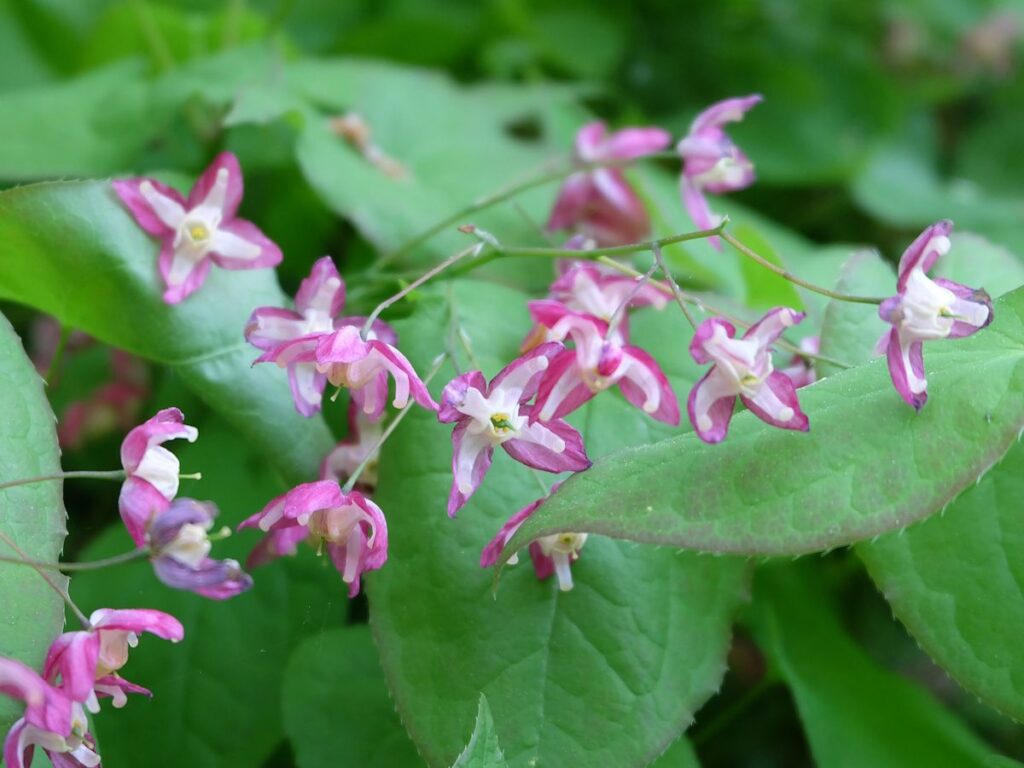
Already covered in the under-tree article above, the supreme ground cover for dry shade. Once established, it forms a weed-smothering carpet that requires nothing from the gardener except an annual cutting-back in late winter before new growth emerges.
3. Liriope / Monkey Grass (Liriope muscari)
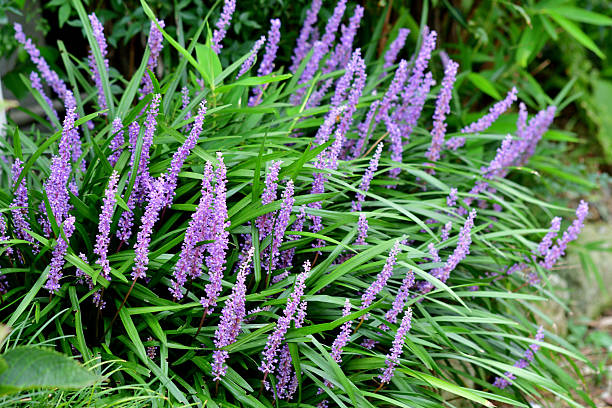
Evergreen, grass-like foliage with purple flower spikes in late summer followed by black berries. Tolerates drought, shade, and neglect with remarkable equanimity. One of the few plants that succeeds along the foundation of buildings where heat, drought, and reflected light defeat most plants.
Zone: 5 to 10 | Care: Mow or cut back in early spring to remove winter-worn foliage; nothing else required
4. Japanese Forest Grass (Hakonechloa macra ‘Aureola’)
Luminous golden-green cascading foliage that brightens shaded areas effectively. Clean-growing with no disease issues. Requires no division, no staking, and no deadheading.
- Zone: 5 to 9 | Sun: Partial shade
Perennials
5. Hellebore / Lenten Rose
Plant once in the right shaded conditions (dappled shade, decent moisture, protected from harsh afternoon sun) and hellebores will self-seed to gradually colonize the area. The evergreen leaves provide year-round interest; the early spring blooms are genuinely beautiful.
- Zone: 4 to 9 | Care: Remove old leaves in late winter; nothing else required
6. Baptisia (False Indigo)
Once established (years 3 to 4+), baptisia requires nothing. No dividing, no staking, no deadheading. The seed pods add autumn interest. The nitrogen-fixing roots improve the soil. Leave it completely alone and it improves each year.
7. Peony
After the first years of establishment, a correctly planted peony is genuinely low-maintenance. It requires no division, no spraying in most gardens, and no fertilization beyond an annual compost application. The only consistent task is staking heavy-headed varieties or using peony rings before flowering.
8. Rudbeckia ‘Goldsturm’
Golden-yellow flowers from July through October, self-seeds moderately to maintain population, tolerates drought and clay soil. One of the most forgiving perennials in the temperate garden.
Ornamental Grasses
9. Little Bluestem (Schizachyrium scoparium)
Native North American grass with blue-gray summer foliage turning vivid orange-red in autumn. Thrives in poor, dry soil, deer resistant, attracts birds, requires nothing except cutting to the ground in late winter. One of the most beautiful and least demanding plants in the garden.
- Zone: 3 to 9 | Sun: Full sun
10. Karl Foerster Feather Reed Grass (Calamagrostis x acutiflora)
Upright, architectural grass that produces golden feathery plumes in summer. Holds its structure through winter, providing year-round interest. Extremely adaptable to various soil types.
- Zone: 5 to 9 | Care: Cut to 4 to 6 inches in late winter; nothing else
Shrubs
11. Inkberry Holly (Ilex glabra)
Native evergreen holly tolerating wet soil, deep shade, and cold winters that defeat other broad-leaved evergreens. Black berries through winter for birds. Virtually zero maintenance after establishment.
12. Beautyberry (Callicarpa)
Grown for its spectacular metallic purple berries in autumn — one of the most striking fall interest plants available. Cut to the ground each spring (it blooms and fruits on new wood) and it regrows vigorously with no other care required.
Houseplants
13. ZZ Plant (Zamioculcas zamiifolia)
The ultimate low-maintenance houseplant. Stores water in its thick rhizomes, tolerates months of drought, and grows in very low light. Water once a month or less. Place it somewhere and forget about it — it will still be there, looking polished, next year.
14. Snake Plant (Dracaena trifasciata)
Survives extreme drought, low light, and temperature fluctuations that kill other houseplants. Requires watering every 2 to 6 weeks depending on season. Practically indestructible with any reasonable care.
15. Pothos (Epipremnum aureum)
The most forgiving trailing houseplant. Tolerates low light and irregular watering, propagates readily from cuttings, and communicates its needs clearly (drooping tells you it needs water). A genuinely excellent plant for the busy or absent-minded plant parent.
✅ Tip
The fastest way to make any “low-maintenance” plant genuinely high-maintenance is to plant it in the wrong conditions. A drought-tolerant plant (sedum, little bluestem) planted in clay that stays wet will require constant intervention and still perform poorly. Do the siting research before purchasing — 10 minutes of research prevents years of frustration.
The Bottom Line
True low-maintenance gardening is less about the plants you choose and more about matching plants precisely to your specific conditions. The plants on this list are as genuinely self-sufficient as any plants can be, but only when correctly sited and adequately established in their first season or two.
