
If a bathroom that is not used regularly starts to smell like sewage, the fix is almost always simple. The most common cause is a dry P-trap, which takes about 30 seconds to fix. But there are several other causes that are worth knowing so you can diagnose the problem correctly.
This guide covers every cause of sewer smell in an unused bathroom, how to identify which one you are dealing with, and the exact steps to fix each one.
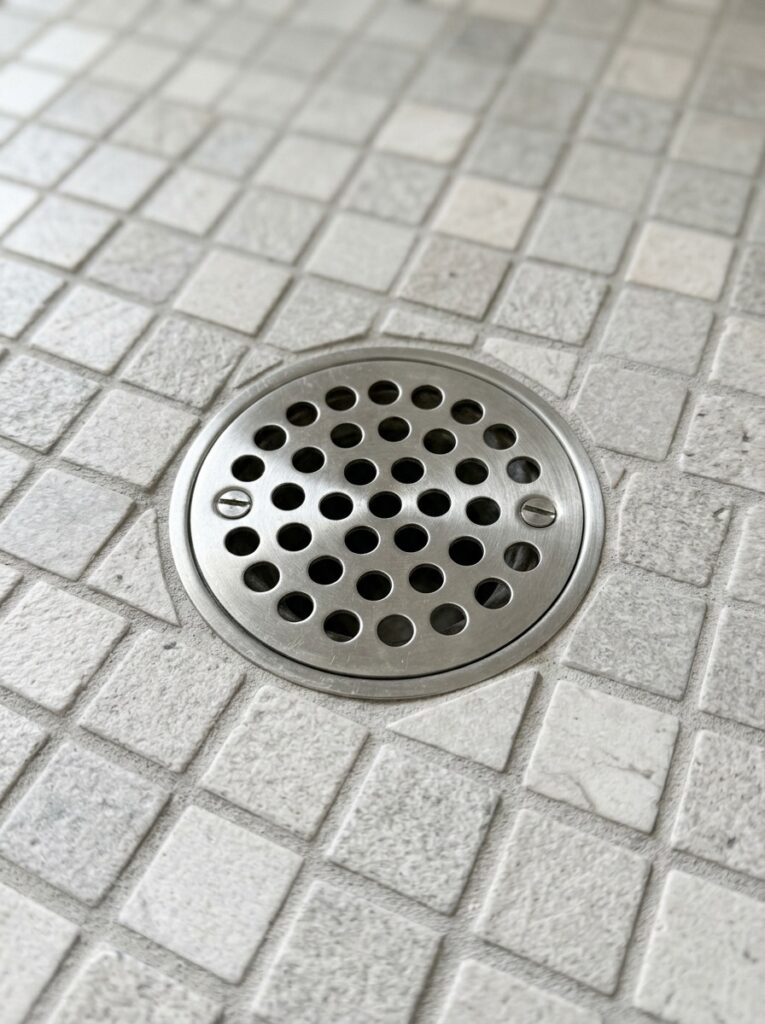
Table of Contents
Why Sewer Smell in a Bathroom Is a Problem Beyond Just Odor
Sewer gas is a mixture of gases produced by decomposing organic waste in the sewer system. The two main components are hydrogen sulfide and methane. Both are potentially dangerous.
Hydrogen sulfide is the gas responsible for the rotten egg or sewage smell. At low concentrations it is just unpleasant. At higher concentrations it can cause eye irritation, headaches, nausea, and dizziness. Methane is colorless and odorless on its own but is flammable. A buildup of sewer gas in an enclosed space poses a fire risk.
In a normally functioning bathroom, sewer gas is blocked from entering the room by water seals in the P-traps and the toilet bowl. When those seals fail, the gas enters the bathroom. The concentrations in a residential bathroom are rarely dangerous to health, but the problem should still be fixed promptly.
Cause 1: Dry P-Trap (Most Common Cause)
A P-trap is the curved section of pipe beneath every sink, bathtub, and shower drain. It holds a small amount of standing water at all times. That water creates a physical seal that blocks sewer gas from traveling up the pipe and into the room.
When a bathroom is not used for several weeks, the water in the P-trap slowly evaporates. Once it is gone, there is nothing between the bathroom air and the sewer system. Sewer gas rises freely through the empty pipe.
This is by far the most common cause of sewer smell in guest bathrooms, basement bathrooms, and vacation properties.
How to fix it:
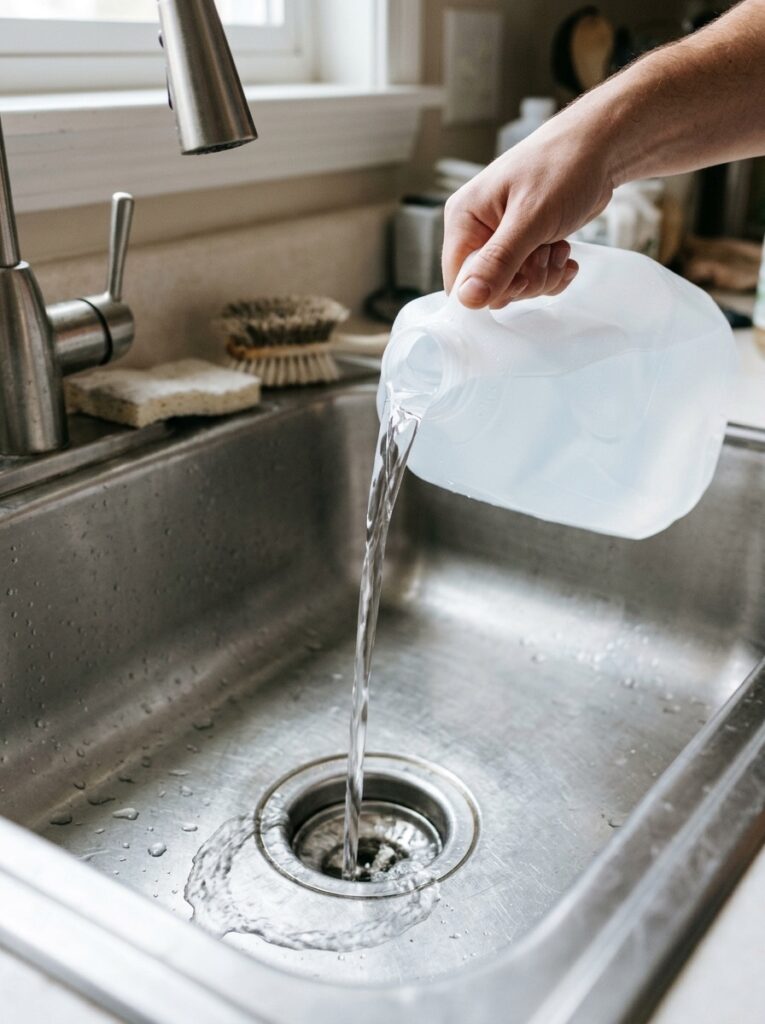
- Run cold water in every sink, shower, and bathtub drain in the bathroom for at least 30 seconds each. This refills the P-trap water seal.
- The smell should begin to clear within a few hours as the existing gas dissipates.
- To prevent it from happening again, run water in all drains once a week, even when the bathroom is not in active use. Alternatively, pour a tablespoon of vegetable oil down each drain after running water. The oil sits on top of the water and drastically slows evaporation.
Cause 2: Toilet P-Trap and Bowl Evaporation
Toilets do not have a traditional P-trap like a sink does. Instead, the toilet bowl holds water directly, and that water acts as the seal. When a toilet is not flushed for weeks, the water in the bowl can partially evaporate, weakening the seal. In some cases, a slow toilet leak that drains the bowl is the cause.
How to fix it:
- Flush the toilet two to three times to refresh the water seal completely.
- Check the toilet water level after flushing. The water should settle at its normal level in the bowl. If the level keeps dropping over the next hour, there is a slow leak. Check the flapper valve inside the tank.
- For toilets that sit unused for long periods, add 1 cup of water to the bowl every two weeks to maintain the seal.
Cause 3: Blocked or Clogged Vent Pipe
Every drain in your home is connected to a vent pipe that runs up through the roof. Vent pipes serve two purposes: they allow fresh air into the drain system to keep water flowing, and they provide an escape route for sewer gas to vent harmlessly outside.
If the vent pipe becomes blocked by leaves, a bird’s nest, an animal, or ice in winter, the gas has nowhere to go. Instead of venting out of the roof, it is pushed back into the drain system and out through the drains in your bathroom. You will notice the smell gets worse when another drain in the house is used, as the water flowing down the drain compresses the gas and forces it back up.
Signs of a blocked vent pipe include gurgling sounds in the drains after flushing or draining water, multiple drains in the house draining slowly at the same time, and the sewer smell appearing or worsening after heavy rain (rain can compress gas in a partially blocked vent).
How to fix it:
Vent pipes can be cleared by a plumber using a drain snake inserted from the roof access. Do not attempt to clear a vent pipe yourself unless you are comfortable working on a roof. A plumber can usually clear a vent pipe blockage in one visit.
Cause 4: Leaking or Damaged Wax Ring Under the Toilet
The toilet is sealed to the drain pipe in the floor with a wax ring. The wax ring creates a watertight and gas-tight seal. Over time, especially if the toilet has been rocked or shifted even slightly, the wax ring can crack or compress unevenly. When this seal fails, sewer gas leaks out at the base of the toilet.
Signs of a failed wax ring include a sewer smell that is strongest near the base of the toilet, soft or spongy flooring around the toilet base, water staining on the ceiling below a second-floor bathroom, or visible gap between the toilet base and the floor.
How to fix it:
Wax ring replacement requires removing the toilet, which means disconnecting the water supply, emptying the tank and bowl, unbolting the toilet from the floor, removing the old wax, installing a new wax ring, and reseating the toilet. A new wax ring is an inexpensive part. The job takes about an hour for a confident DIYer. If you are not comfortable with plumbing work, a plumber can replace a wax ring for you.
Cause 5: Leaking P-Trap Under the Sink
If the P-trap under the bathroom sink is cracked, has a loose joint, or is corroded, it may not hold water properly. A dry or leaking P-trap lets sewer gas pass through even when the trap is not fully dry. The smell will be noticeable from the sink drain specifically.
How to fix it:
Look under the sink with a flashlight. Check for water stains, drips, or corrosion on the P-trap pipe sections. Tighten any loose slip joints by hand or with pliers. If the P-trap itself is cracked or badly corroded, replace it. Plastic P-trap replacement kits are sold at hardware stores and take about 20 minutes to install with no special tools.
Cause 6: Biofilm in the Drain
A bathroom that is used occasionally but not frequently can develop a thin layer of biofilm inside the drain pipe. Biofilm is a layer of bacteria, soap residue, and organic matter that coats the inside of the pipe and produces a musty, sulfur-like smell continuously. It is not sewage gas, but it smells similar.
You will notice this smell is strongest directly at the drain and is less of a sharp sewage smell and more of a damp, musty odor.
How to fix it:
- Pour 1/2 cup of baking soda down the drain.
- Follow with 1/2 cup of white vinegar. Cover the drain and let it fizz for 10 minutes.
- Flush with a full kettle of very hot water.
- For a stronger clean, pour 2 tablespoons of diluted bleach (1 part bleach, 4 parts water) down the drain and leave for 30 minutes before flushing.
Fixing the Smell When You Are Not Sure of the Cause
If you are not certain which of these causes applies, work through them in order. Start with the simplest fix first.
- Step 1: Run water in every drain and flush the toilet. Wait 24 hours.
- Step 2: If the smell returns within a few days, suspect a vent pipe issue or a leaking P-trap. Inspect under the sink.
- Step 3: If the smell is strongest at the toilet base, inspect the wax ring.
- Step 4: If the smell is coming from all drains equally, call a plumber to inspect the vent pipe.
For a full home routine, see the cleaning schedule from the American Cleaning Institute.
Related Guides
- Stagnant Smell in Bathroom: Every Cause and How to Fix It
- How Often Should You Clean Your Toilet? (A Complete Schedule)
- How to Clean a Shower Tray with Baking Soda (And What to Do for Tough Stains)
Frequently Asked Questions
How long does it take for a P-trap to dry out?
In a typical US home with standard indoor humidity, a P-trap can dry out in as little as two to three weeks of non-use. In a dry climate or during winter when heating runs constantly, it can dry out faster. In humid climates, it may take a month or more. Running water in unused drains once a week is enough to prevent this from happening.
Can I pour RV antifreeze in my drains to prevent the P-trap from drying out?
Yes, this is a common and effective solution for vacation homes and seasonal properties. Pink RV antifreeze (propylene glycol based) is non-toxic and prevents the P-trap from evaporating or freezing. Pour about a cup down each drain before closing up the property. Do not use automotive antifreeze, which is toxic.
The smell goes away when I run water but comes back within a day or two. What does this mean?
If the smell returns within a day or two after running water, the P-trap is refilling but losing its water unusually fast. This can happen because of a nearby vent pipe that is drawing air through the drain (siphoning effect), a cracked P-trap that is slowly leaking, or a dry, rough pipe surface that accelerates evaporation. Adding a tablespoon of vegetable oil on top of the refilled P-trap water will slow evaporation. If the problem persists, have a plumber inspect the vent pipe.
Is it dangerous to sleep in a room that smells like sewage?
Sewer gas at residential concentrations is unpleasant but generally not dangerous for brief exposure. However, you should not sleep regularly in a room with a strong sewer smell. Hydrogen sulfide at higher concentrations causes headaches, nausea, and can affect sleep quality. Fix the problem before using the room overnight. If the smell is very strong or you feel unwell, leave the room, ventilate the house, and call a plumber.
All my drains are running slowly and smelling. Is this the same problem?
No. If multiple drains in your home are slow and smell at the same time, this points to a blockage or problem in the main sewer line, not individual P-traps or the toilet. This requires a professional drain inspection using a camera. Tree root intrusion into the main sewer line is the most common cause. Call a licensed plumber or drain cleaning company. Do not continue to use the drains heavily if all of them are backing up.
