
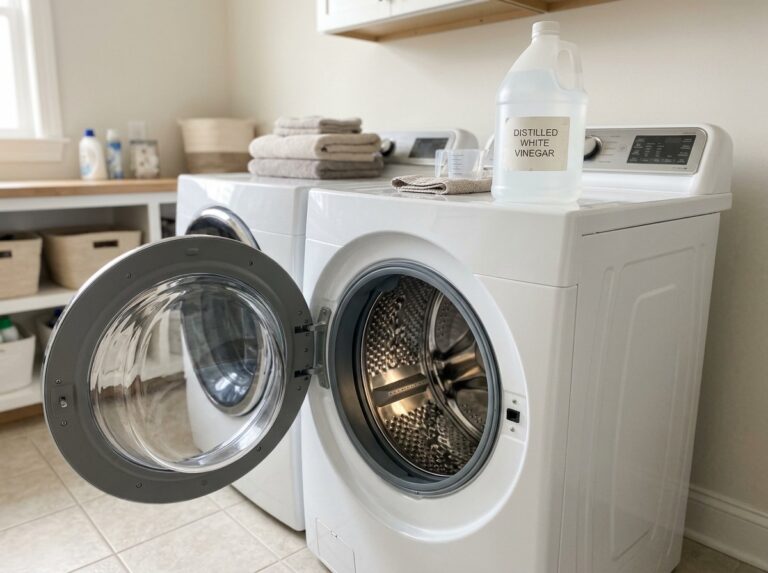
Limescale is one of the most common reasons washing machines lose performance over time. It forms when hard water is heated and the dissolved calcium and magnesium minerals crystallize and stick to surfaces. The heating element, drum, pipes, and detergent drawer are all affected.
If you live in a hard water area, regular descaling is essential maintenance. This guide covers every part of the machine and the best methods for each.
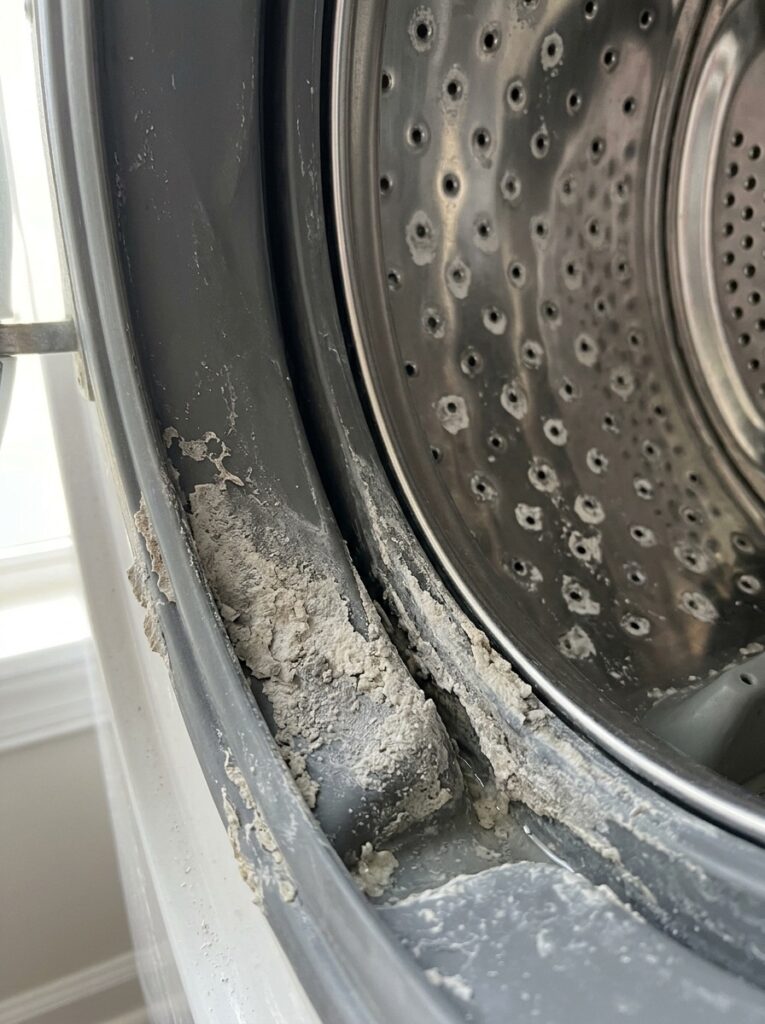
Table of Contents
Do You Have Hard Water?
Over 85 percent of US homes have hard water, but the degree of hardness varies significantly by region. States with the hardest water include Texas, Arizona, Florida, California, Indiana, and the Midwest. You can check your local water hardness through your water utility’s annual water quality report, which is publicly available online.
Signs that limescale is affecting your washing machine include white or gray crusty deposits visible in the drum or detergent drawer, clothes feeling stiff or less clean after washing, a decrease in machine efficiency, musty or stale smells despite regular cleaning, and higher energy bills as the heating element works harder against limescale insulation.
What Limescale Does to Your Washing Machine
Limescale coats the heating element first. The element has to work harder to heat through the calcium crust, which uses more electricity and creates more heat stress on the element itself. Over time this can cause the element to fail early.
Limescale also builds up in the pipes, reducing water flow, and in the dispenser jets of the detergent drawer, blocking them so detergent and fabric softener do not flush through properly into the drum. It can accumulate in the door seal and drum, where it traps detergent residue and bacteria, causing smells.
Method 1: White Vinegar (Best Natural Option for Light to Moderate Buildup)
White vinegar is an acetic acid solution. It dissolves calcium carbonate on contact, making it an effective natural descaler for the drum and internal pipes. Use distilled white vinegar, not apple cider vinegar.
- Make sure the drum is completely empty.
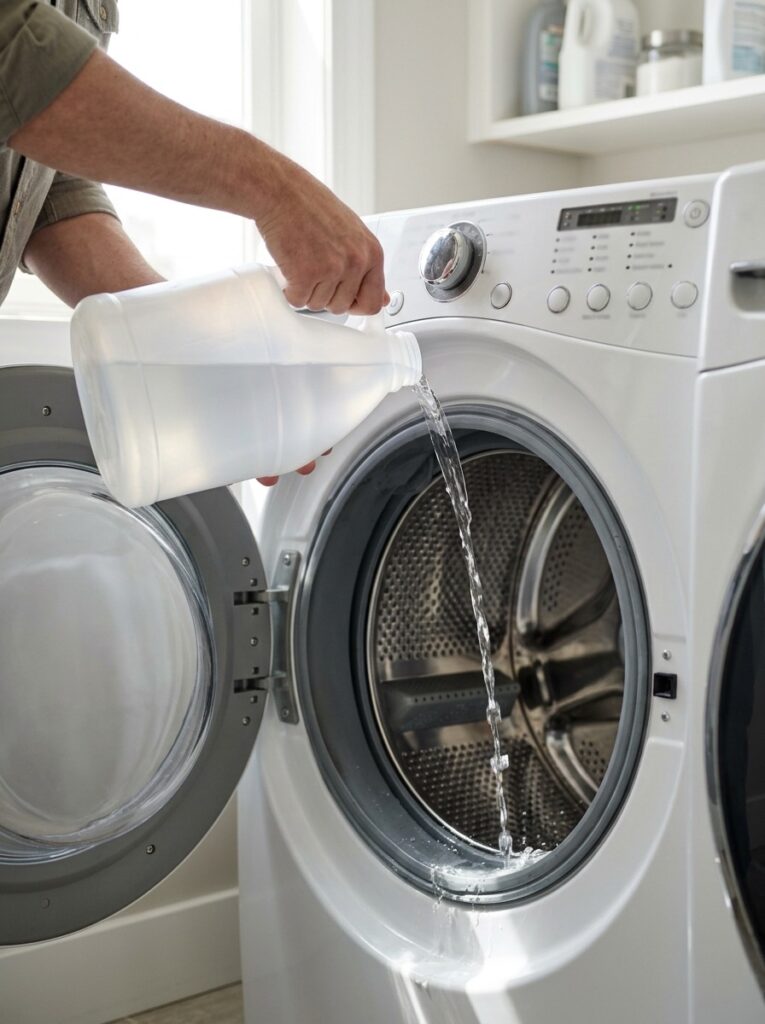
- Pour 2 cups of white vinegar directly into the drum. Do not put it in the detergent drawer for this method.
- Run a full hot cycle at the highest temperature your machine allows, at least 140 degrees Fahrenheit. Hot water activates the vinegar and helps it dissolve deposits in the internal pipes and around the heating element.
- When the cycle finishes, wipe the inside of the drum with a dry cloth to remove any loose limescale residue.
- Run one more empty hot cycle with no product to rinse the machine thoroughly.
Tip: Do not use vinegar in machines with rubber seals that have already started to crack or degrade. Vinegar can accelerate rubber deterioration over time. For machines with aging door seals, use citric acid or a commercial descaler instead.
Method 2: Citric Acid (Best Natural Option for Heavier Buildup)
Citric acid is more acidic than vinegar and more effective on heavy limescale deposits. It is also odorless, which many people prefer. Buy food-grade citric acid powder from Amazon or Walmart; a large bag lasts many cleanings.
- Make sure the drum is empty.
- Add 3 tablespoons of citric acid powder to the drum, not the detergent drawer.
- Run a full hot cycle at the hottest temperature setting.
- Run a plain empty rinse cycle to clear any residue.
For machines that have not been descaled in a long time or those used heavily in hard water areas, run two consecutive citric acid cycles before the rinse.
Method 3: Commercial Washing Machine Descaler (Most Effective for Severe Buildup)
Commercial descalers are formulated with sulphamic acid or citric acid at higher concentrations than home solutions. They also reach internal parts more effectively because they are designed to disperse throughout the machine’s water circuit.
The best US-available options are:
- Affresh Washing Machine Cleaner (available at Walmart, Target, and Amazon): The most widely available descaling and cleaning tablet for US front-load and top-load machines. Drop a tablet in the drum and run a hot cycle.
- OxiClean Washing Machine Cleaner with Odor Blasters: Effective on both limescale and odor-causing bacterial buildup.
- Lemi Shine Washing Machine Cleaner: Citric acid based, excellent for hard water areas.
- CLR PRO Calcium, Lime and Rust Remover: For severe limescale visible on drum surfaces, dilute per instructions and wipe directly on affected areas before running a hot cycle.
- Drop the descaler tablet or powder into the empty drum.
- Run a full hot cycle at the hottest available setting.
- Run a second empty cycle with no product to rinse the machine.
How to Clean the Detergent Drawer
The detergent drawer collects limescale, detergent residue, and mold. It should be cleaned separately every month.
- Pull the drawer fully out. Most drawers have a release tab or button that you press while pulling.
- Remove the siphon or conditioner insert from the back of the softener compartment.
- Soak the entire drawer in hot water mixed with white vinegar or citric acid for 30 minutes.
- Use a stiff brush or old toothbrush to scrub all compartments and the small jets at the back of the drawer slot. These jets are the most important. They spray water into the drawer to flush detergent into the drum, and when they are blocked with limescale, detergent sits in the drawer and does not reach the wash.
- Rinse the drawer thoroughly and dry before replacing.
- Wipe the inside of the drawer slot in the machine with a damp cloth and white vinegar.
WARNING: Do not put the detergent drawer in the dishwasher. The heat can warp the plastic, making it impossible to re-insert properly.
How to Check and Clean the Pump Filter
The pump filter at the front bottom of most front-load machines catches debris before it reaches the pump. Limescale can accumulate here and restrict water drainage.
- Place a shallow tray and old towels under the filter access panel at the bottom front of the machine.
- Open the panel and slowly unscrew the filter cap. Water will drain out.
- Remove the filter completely, rinse under hot running water, and scrub off any limescale or debris with a stiff brush.
- Check the filter housing inside the machine and wipe it clean.
- Replace the filter and tighten firmly. Clean the filter every two to three months.
How to Clean the Door Seal
The rubber gasket around the front-load door trap is a common site for limescale combined with mold and detergent residue. Wipe the entire seal with a cloth soaked in undiluted white vinegar. Peel back the outer lip of the seal to clean the hidden inner fold, which is where most deposits accumulate. Wipe dry after cleaning.
How Often to Descale
- Soft water area: Descale every 6 months.
- Moderate hard water: Descale every 3 months.
- Very hard water (Texas, Arizona, Florida): Descale every month or add a descaling tablet to every third wash cycle.
Using Affresh tablets or similar monthly is the lowest-effort approach for hard water homes.
Preventing Limescale Buildup
- Use a powdered detergent rather than liquid. Powder detergents contain mild bleaching agents that help prevent limescale from forming during each wash.
- Wash at 140 degrees Fahrenheit once a month even if you normally wash cold. This hot wash dissolves early-stage deposits before they harden.
- Add a descaling product like Affresh to the drum every 30 washes.
- Consider a water softener. A whole-house water softener removes calcium and magnesium from the water before it reaches your appliances. This eliminates limescale buildup across your entire home and extends the life of your washer, dishwasher, water heater, and shower fittings.
To understand what makes tap water hard, see the USGS explanation of water hardness.
Related Guides
- The Best Washing Machine Descaler: [5 Top picks 2025]
- Can Denture Tablets Remove Limescale? (What Actually Works)
- Can You Clean a Washing Machine with Dishwasher Tablets? (Honest Answer)
Frequently Asked Questions
Can limescale damage a washing machine permanently?
Yes, over time. Limescale on the heating element is the most serious risk. As the element becomes coated, it operates at higher temperatures to heat the water, which causes the element to fail prematurely. Limescale in pipes can also cause restricted water flow and put stress on the pump. Regular descaling every one to three months in hard water areas prevents this damage.
Is Calgon worth using in every wash?
Calgon is a water softener additive that prevents limescale from forming during the wash cycle by sequestering calcium and magnesium ions. In very hard water areas, using it regularly does reduce limescale buildup. However, regular descaling every few months achieves a similar result at lower cost. Descaling removes existing deposits; Calgon prevents new ones. Both have their place in very hard water areas.
Can I use baking soda instead of vinegar to descale?
Baking soda is an alkali, not an acid, and does not dissolve limescale. It is useful for deodorizing and cleaning general grime from the drum, but it will not remove calcium deposits. For descaling, you need an acid: white vinegar, citric acid, or a commercial acid-based descaler.
My detergent drawer is full of buildup and the jets are completely blocked. What do I do?
Soak the drawer in undiluted white vinegar for at least an hour to soften the deposits. Then use a thin toothpick or pipe cleaner to poke through each jet hole. Follow with a toothbrush scrub and hot water rinse. For extremely blocked jets, a solution of citric acid in warm water dissolved for two hours works better than vinegar. If jets are physically damaged, replacement drawers for most major brands are available on Amazon.
How do I know if my heating element has limescale on it?
If your machine takes significantly longer to reach the target wash temperature than it used to, or if energy consumption has increased noticeably, limescale on the heating element is a likely cause. A washing machine technician can check and clean the element directly if needed. You can prevent this with regular descaling, but you cannot clean the element at home without disassembling the machine.
